
Slipped disk treatment usually starts with the least invasive option and escalates only if pain, numbness, or weakness doesn’t ease off. Most people recover with physical therapy, anti-inflammatory medication, and activity changes inside six to twelve weeks. When conservative care doesn’t work, endoscopic spine surgery — performed through an incision smaller than a fingernail — has largely replaced traditional open surgery as the next step.
Roughly 85–90% of patients who go on to need surgery report significant pain relief after a minimally invasive endoscopic procedure.
What Is a Slipped Disk, and What Causes It?
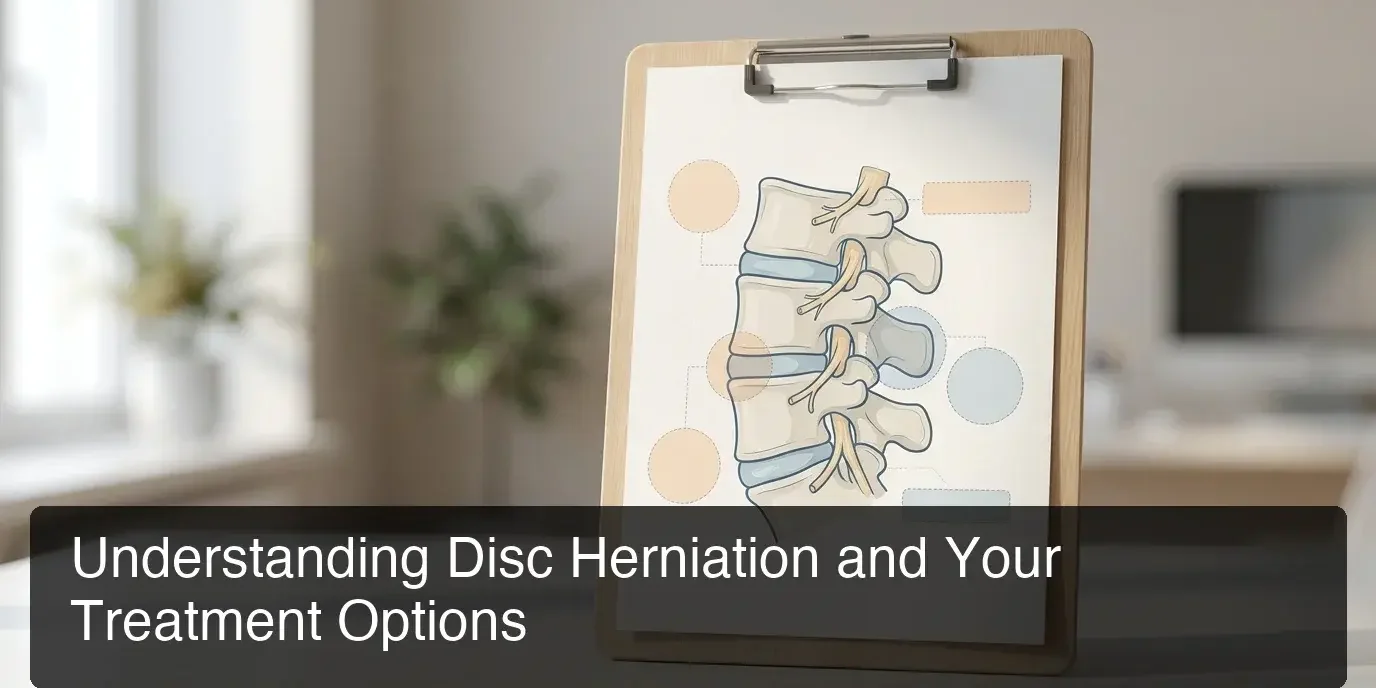
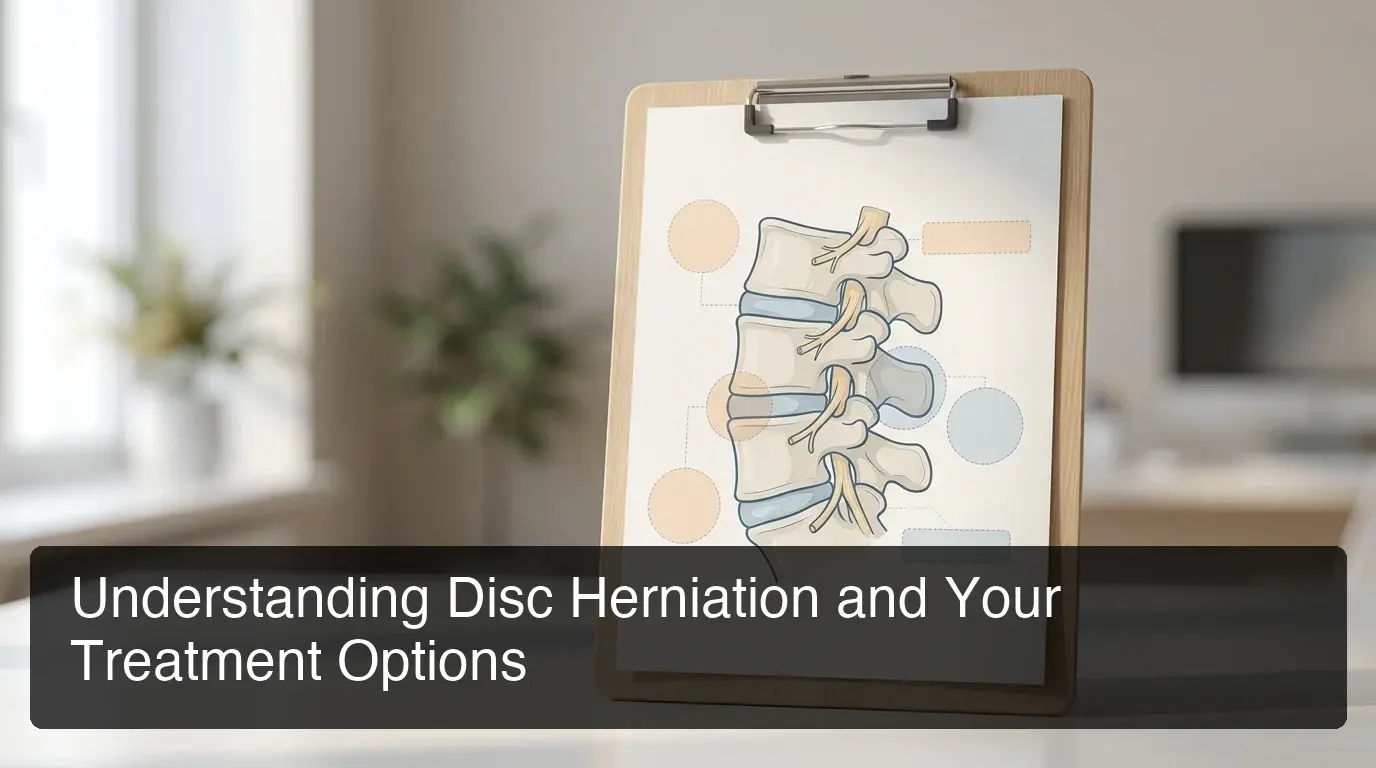
A slipped disk — also called a herniated or prolapsed disk — occurs when the soft, gel-like centre of a spinal disk pushes through a tear in its tougher outer layer, often pressing on a nearby nerve root. It develops most often in the lower back, sometimes suddenly, sometimes gradually with age.
The L4-L5 segment, low in the lumbar spine, is the single most common herniation site because it carries a disproportionate share of the body’s load when bending or twisting. Degeneration from age is the underlying driver in most cases; a single awkward lift or twist is often just the trigger that finishes off a disk already thinning from years of wear.
Smoking, repetitive heavy lifting, obesity, and a sedentary job that alternates with sudden strenuous activity all raise the odds. Genetics plays a role too — some families simply have less resilient disk tissue than others.
Disc degeneration also speeds up in patients with weakening bone density, which is why some spine assessments include a look at osteoporosis treatment history before a surgical plan is finalised.
Key Takeaways
- A slipped (herniated) disc occurs when the soft interior of a spinal disc leaks through the tough outer layer, often pressing on nearby nerves and causing pain, numbness, or weakness.
- Most slipped discs improve with conservative treatment — physical therapy, NSAIDs, and activity modification — within 6–12 weeks, though recovery varies by severity and location.
- Minimally invasive endoscopic surgery offers faster recovery and smaller incisions than traditional open surgery, with 85–90% of patients reporting significant pain relief.
- Endoscopic spine surgery performed in EU-regulated facilities like KCM Clinic combines advanced technique with comprehensive postoperative physiotherapy and psychology support.
- Many UK and Canadian patients fly out on a Thursday, have surgery Saturday, and discharge Monday, returning home with a clear rehabilitation protocol.
How Is a Slipped Disk Diagnosed?
A slipped disk is diagnosed through a physical exam — checking reflexes, muscle strength, and a straight-leg raise test — followed by an MRI scan that confirms which disc is affected and how much it’s compressing the nearby nerve. A CT scan sometimes substitutes for MRI, though it shows nerve involvement less clearly.
The straight-leg raise is a simple test, and a surprisingly reliable one at pointing to a lumbar disc problem before any scan is ordered. MRI remains the imaging tool of choice because it shows soft tissue — the disc itself, the nerve root, and how much they’re overlapping — in a way an X-ray cannot.
Not every visible herniation on a scan explains the symptoms. Doctors match the imaging findings against the exact pattern of pain, numbness, or weakness a patient describes before deciding a disk is the true source of the problem.
When Should You Start Slipped Disk Treatment?
See a doctor promptly if leg or arm pain is severe, if numbness or weakness is spreading, or if you notice any change in bladder or bowel control — the last of these is a same-day emergency, not a wait-and-see symptom. For milder back pain without nerve symptoms, a week or two of self-care is a reasonable starting point.
Reality check: Bed rest beyond a day or two tends to slow recovery rather than speed it. Gentle movement, kept within a pain-tolerable range, keeps the surrounding muscles from stiffening further.
Persistent pain past two to three weeks, or any weakness in a specific muscle group, is the point at which most spine specialists recommend imaging and a formal treatment plan rather than continued self-management.
What Are Your Non-Surgical Treatment Options?
Most slipped disk treatment plans begin with physical therapy, short-term anti-inflammatory medication, and activity modification, sometimes alongside a targeted steroid injection for severe nerve pain. This combination resolves symptoms for the large majority of patients without any surgical step at all.

A typical conservative programme includes:
- Guided physical therapy focused on core stability and nerve-gliding exercises, usually two to three sessions a week
- Short-term NSAIDs or muscle relaxants to control the acute inflammatory phase
- Epidural steroid injections for patients with significant nerve-root irritation that isn’t settling
- Gradual return to normal activity, avoiding prolonged sitting and heavy lifting during the first few weeks
Patients who plateau after six to twelve weeks of this approach — still with meaningful leg pain, numbness, or weakness — are the group for whom a surgical consultation becomes worth having.
How Does Endoscopic Disc Surgery Compare to Traditional Approaches?
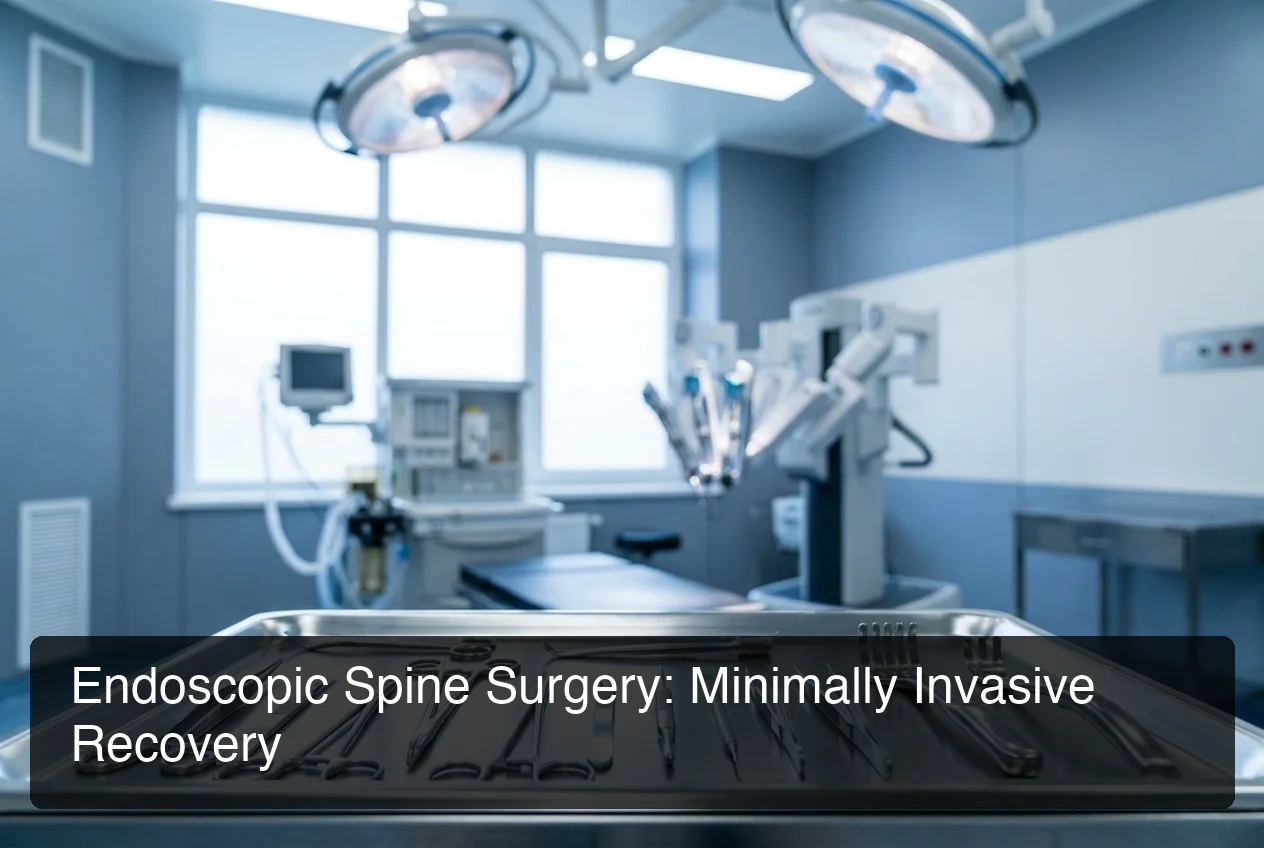
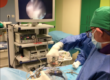
Endoscopic disc surgery reaches the herniated disc through a tubular access point roughly the width of a pen, guided by a camera, rather than the long incision and muscle retraction traditional open discectomy requires. Less tissue is cut to reach the same target, which is the main reason recovery differs so much between the two.
At KCM Clinic, Dr. Stanisław Kwiek performs endoscopic treatment of cervical and lumbar disc herniation, along with related conditions such as spinal stenosis and spondylolisthesis, as part of his neurosurgical practice. Traditional open discectomy or laminectomy — removing part of the bony arch to relieve pressure on the nerve — remains appropriate for certain complex or multi-level cases, but it involves more muscle disruption and a longer hospital stay than the endoscopic route.
The trade-off works both ways: endoscopic technique demands more specialised training and equipment from the surgical team, which is why it isn’t universally available even where the diagnosis is straightforward. Facilities running it under EU Medical Devices Regulation, the same framework covering Germany and France, are held to consistent standards for the instrumentation and implants involved.
What Is Recovery Like After Minimally Invasive Spine Surgery?
Recovery from endoscopic disc surgery is typically measured in days to a few weeks rather than the months associated with open discectomy or fusion. Most patients are walking within hours of the procedure, a stark contrast to the extended bed rest older approaches once required.
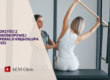
A structured rehabilitation plan matters more than the surgery itself for the final outcome. KCM’s postoperative pathway pairs physiotherapy with psychology support, since the anxiety around re-injury after disc surgery is often as limiting as any physical restriction.
- Light walking begins the same day or the day after surgery
- Formal physiotherapy typically starts within the first one to two weeks
- Heavy lifting and high-impact activity are generally avoided for six to eight weeks
- Remote physiotherapy follow-up continues after international patients return home
Patients considering the surgical route for laminectomy or a related spinal decompression should expect a similarly staged return to activity, even though the incision and recovery arc differ slightly by technique. Recovery principles carry over from KCM’s other surgical specialties too — the physiotherapy structure behind knee replacement surgery follows the same staged-loading logic as spine rehabilitation.
Some patients also ask about supplementary support for nerve recovery once physiotherapy is underway. KCM’s peptide therapy programme covers how those protocols are assessed for patients already tracking broader recovery and longevity goals, though it sits alongside — never replaces — the core rehabilitation plan.
How Much Does Slipped Disk Treatment Cost in the UK vs. Abroad?
Slipped disk treatment costs vary widely depending on whether care stays conservative or progresses to surgery, and whether it’s billed piece by piece or delivered as one bundled package. Ongoing physical therapy and medication are the main cost for most patients; a one-off surgical procedure is typically the larger single expense.
Private surgery in the UK is usually priced and billed procedure by procedure, with physiotherapy, follow-up imaging, and any complications often invoiced separately after the fact. NHS waiting times for elective spine surgery, meanwhile, commonly extend well beyond what patients in persistent pain are prepared to accept.
An all-inclusive European package — pre-operative consultation, the procedure, hospital stay, physiotherapy, and follow-up bundled into one price — tends to be more transparent for patients comparing options across countries, since there are fewer separate invoices to reconcile later. Choosing where to have spine surgery abroad comes down to weighing that transparency, and the surgeon’s specific technique, against the convenience of staying local.
Get Expert Care for Slipped Disk Treatment at KCM Clinic
A slipped disk that hasn’t responded to weeks of physical therapy deserves a specialist opinion, not another round of guesswork. KCM Clinic’s neurosurgical team, led by Dr. Stanisław Kwiek, combines endoscopic surgical technique with an all-inclusive recovery pathway for patients travelling from the UK, Canada, and wider Europe.
Book a Free Consultation with KCM Clinic
Not ready to book yet? Explore KCM Clinic’s spine and neurosurgery programme — surgeon profiles, technique overviews, and international patient resources.
FAQ
Can a slipped disk heal on its own?
Yes, in most cases. The body gradually reabsorbs the herniated material over weeks to months, and roughly 90% of patients see significant symptom improvement without surgery, particularly when guided physical therapy supports the natural healing process.
How long does it take for a slipped disk to heal?
Most patients notice meaningful improvement within six to twelve weeks of conservative treatment. Full resolution can take several months, and recovery pace depends on the disc’s location, the severity of nerve compression, and how consistently the prescribed physical therapy is followed.
Can you walk if you have a slipped disk?
Most people can and should keep walking with a slipped disk, as gentle movement supports circulation and prevents the stiffness that prolonged bed rest causes. Severe nerve compression can occasionally cause leg weakness that affects walking, which warrants prompt medical assessment.
What happens if a slipped disk is left untreated?
Many mild cases improve on their own even without formal treatment. But an untreated herniation causing ongoing nerve compression can lead to persistent pain, worsening weakness, or in rare cases, permanent nerve damage — which is why escalating symptoms shouldn’t be ignored.